What to Check When Booking an Event Venue in Japan: A Guide for Overseas Event Planners
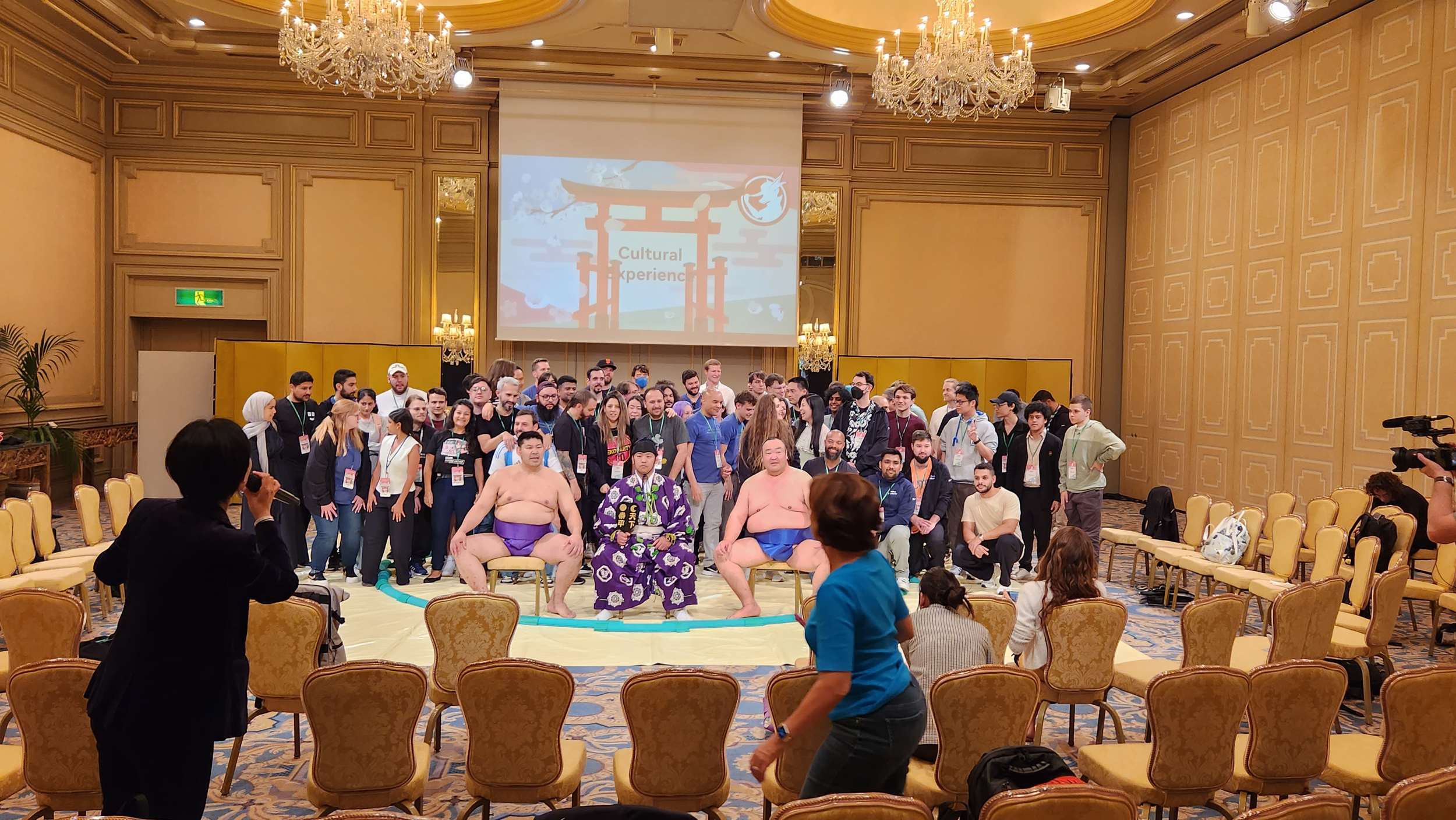
When you organize business events, receptions, dinners, award ceremonies and networking events in Japan, you might think “it’s almost done once you book a venue.”
However, there are a lot of things to check in advance, such as venue usage times, dining style and facilities.
This guide covers practical points overseas event planners should check when booking a venue in Japan, including timing, dining arrangements, external vendors, interpretation and audiovisual requirements.
Quick Summary
・ Start looking for a venue around three to six months in advance.
・ Confirm venue access times, restaurant time limits, costs, dietary requirements, vendor rules, interpretation and AV needs early.
・ If planning from overseas, consider using local support for venue communication, interpreters and vendors.
1. Plan Early
For many events in Japan, it is a good idea to start researching and comparing venues around three to six months before the event date. Popular dates can book out earlier, especially during busy periods such as the year-end party season.
Restaurant bookings also have their own timelines, and the actual booking window may vary by venue. For example, some hotel restaurant party plans only accept reservations from around three months before the event, while some private dining plans require bookings at least two weeks in advance. Large groups, full restaurant buyouts, special menus, interpretation or audiovisual arrangements may require additional preparation time. Starting early gives you more time to compare venues, secure your preferred date and coordinate the details.
2. Start with the Event Style
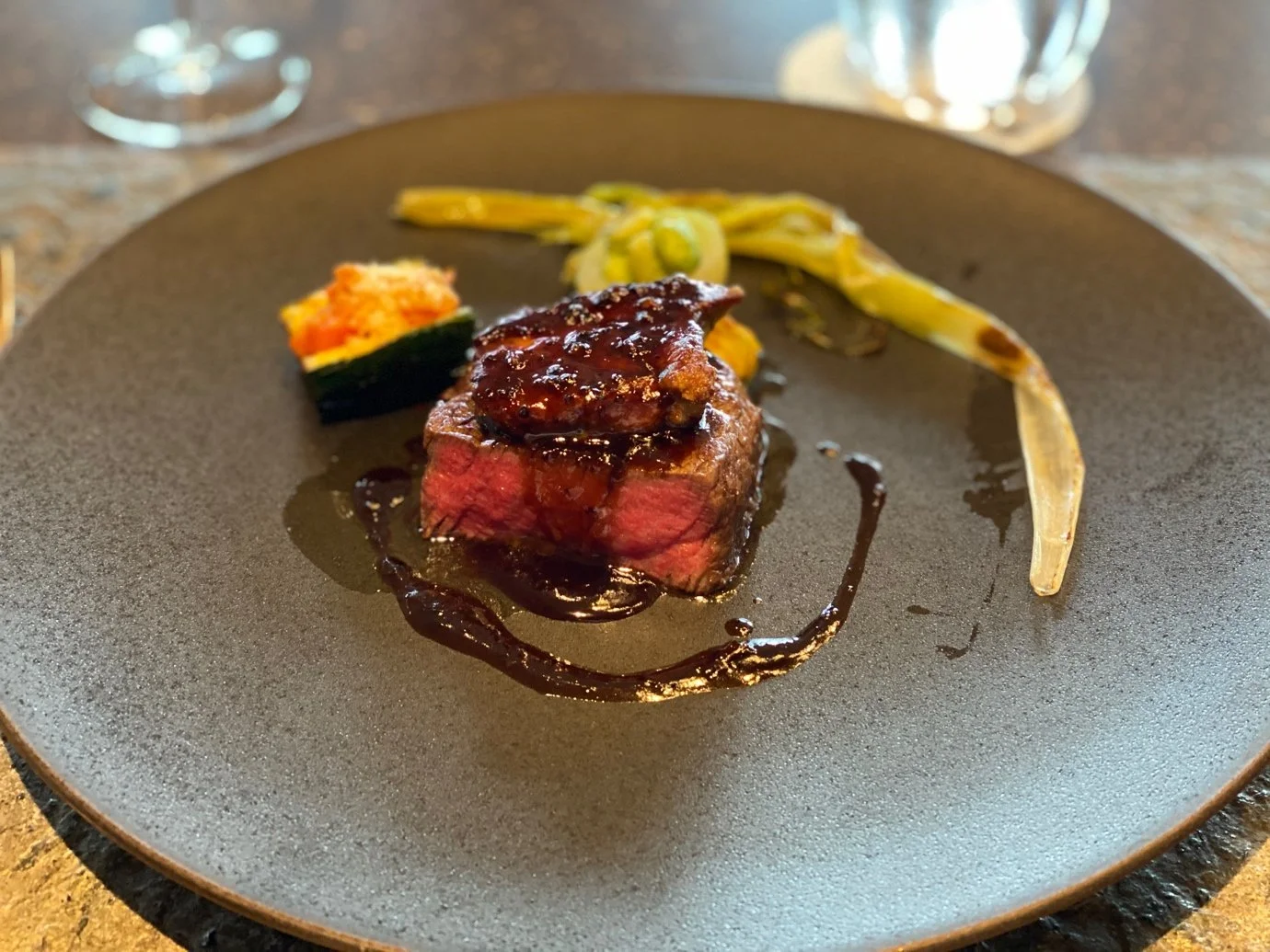
Figure 1: Seated Course Meal
We recommend considering the event style before you start looking for a venue. Especially when the event includes a meal, Japanese venues offer the following dining styles:
Standing Buffet
Guests can enjoy a meal and conversation while moving around freely, which is suitable for events where you focus on interaction, such as networking events and casual receptions.
If not all guests will have seats, consider providing some chairs for older guests or longer events.
Seated Buffet
It’s a style where each guest has a seat, and guests help themselves to food from the buffet.
Although they can enjoy their meal more comfortably than a standing buffet, enough space is required for both the tables and the buffet area.
Seated Course Meal
Dishes are served one after another while guests remain seated, making this style suitable for formal business dinners and award ceremonies. If you are planning speeches or presentations, coordinate them with the meal service.
Consider a Table Layout and Seating Plan
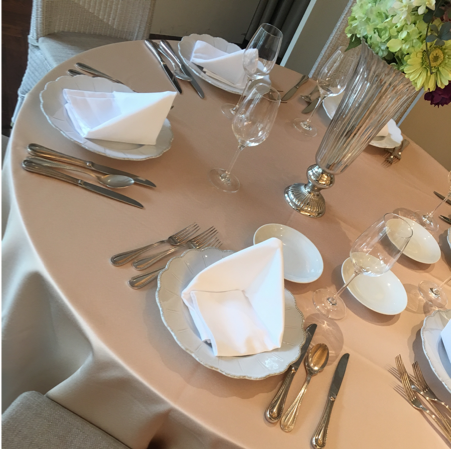
Figure 2: Table Layout
When you organize a seated event, check how many people can sit at one table. For example, if you plan an event for 100 people, the number of tables required and the layout differ depending on whether each table seats six, eight or ten people. You also need to consider the layout if VIPs, hosts and guest speakers are attending. Some venues can flexibly adjust the size and shape of tables and the overall layout.
When booking a traditional Japanese restaurant, also check the seating style. Some venues use floor seating, low chairs or horigotatsu-style seating, and guests may also be required to remove their shoes. These arrangements may not be suitable for guests with mobility or accessibility needs.
3. Check Setup and Breakdown Times
Japanese venues often have strict venue access and breakdown times. Even if the event itself is scheduled from 7 pm to 9 pm, you need additional time for setup, rehearsals and breakdown. So, check the following points in advance.
・ What time is venue access available?
・ Is the setup time included in the total venue rental hours?
・ By what time must we fully vacate the venue?
・ Are extension hours available? (How much is the overtime fee?)
Also, check the deadline for confirming the final number of guests and the cancellation policy. Since the venue needs to arrange food and staff in advance, last-minute changes to the number of guests may result in additional charges.
Check the Time Limit for Restaurant Buyouts
Some restaurant and private dining plans in Japan have fixed time limits, often around two hours. After the reserved period, the restaurant needs to prepare the space for another booking or return to regular service. If you are planning speeches or networking, confirm whether setup and breakdown are included in the reserved time and whether an extension is available.
Check What Is Included in the Quotation
Venue quotations include some services and equipment, while others are charged separately. Ask for a detailed breakdown and check whether costs such as audiovisual operators, additional staffing, equipment rental, external vendor fees, overtime, corkage or setup charges are included. We recommend confirming whether taxes and service charges are already included in the quoted price, so there are no unexpected costs later.
4. Check the Meal Arrangements
Dietary requirements are important, and in Japan it is helpful to explain them as specifically as possible.
A dish may appear vegetarian, for example, but still contain fish-based dashi. Vegan guests also need to check ingredients such as eggs, dairy products and fish-based seasonings, while pescatarian guests still need to confirm whether meat-based stock or sauces are used.
For halal requirements, mirin and sake are often used in Japanese cooking, while some fermented seasonings such as soy sauce may also contain naturally occurring or added alcohol. Requirements vary between guests. Desserts also require careful checking. Gelatin may be pork-derived, and vanilla extract or essence may contain alcohol. If halal-certified meat is difficult to arrange, ask whether seafood or another suitable alternative can be provided. For toasts, non-alcoholic drinks such as ginger ale can be arranged instead of alcoholic drinks.
Also check:
・ Is it possible to make individual menu changes?
・ What allergy accommodations are available?
・ Can the kitchen accommodate requests related to cross-contamination?
If English-speaking guests are attending, also check whether an English menu is available. If not, ask whether the venue can provide a translated menu or whether one needs to be prepared separately.
Check Whether It Is Allowed to Bring Food and Drinks
If you want to bring food and drinks from outside, you need to check in advance. Some Japanese venues restrict outside food and drink for hygiene and food safety reasons. The following items may be restricted:
・ Cake
・ Snacks
・ Sake and other alcoholic drinks
・ Soft drinks
Even if outside food and drinks are allowed, a corkage or outside food fee may apply.
5. Check MC Arrangements and External Vendors
You may arrange a professional MC. Check with the venue if you need to use an affiliated MC or are allowed to bring an external MC. Some venues accept only affiliated MCs who are familiar with the venue’s timeline. If you bring in an external MC, also check whether there are any additional fees, required meetings, rehearsals, or venue-specific rules.
A Bilingual MC Is Not Necessarily an Interpreter
You can also use a bilingual MC. However, the scope of a “bilingual MC” can vary widely, including:
• Announcing the same content in both Japanese and English
• Facilitating the event entirely in English
• Providing brief English summaries of Japanese content
• Handling interpretation for speeches
The level of service depends on the individual MC. An MC is not necessarily a professional interpreter. If accurate interpretation is required, a separate interpreter may need to be arranged. In that case, also confirm the necessary equipment and setup with the venue, as discussed in the audiovisual section below.
Other External Vendors
In addition to the MC, you may need to hire vendors such as:
• Photographers
• Videographers
• Florists
• Performers
Some venues in Japan have designated or preferred vendors, and an outside vendor fee may apply if you choose to bring in your own vendors.
6. Check Audiovisual Equipment in Detail
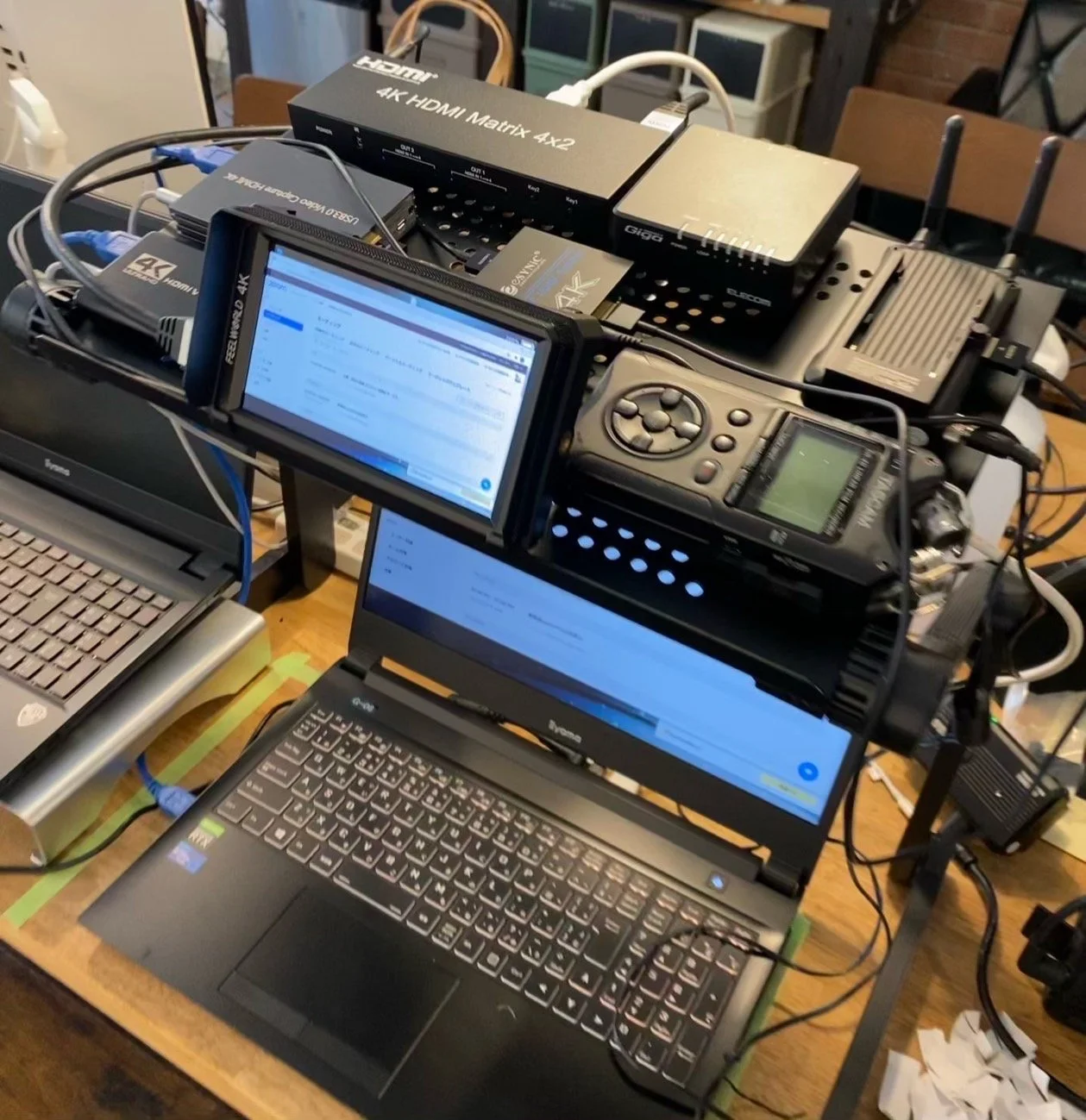
Figure 3: Examples of AV Control Setups for Hybrid Events
You may plan to show presentations and some videos. We recommend checking the following points in advance.
Video Equipment
Check the screen size and aspect ratio.
Even if your video is created in a 4:3 aspect ratio, if the venue's screen has a different ratio, blank spaces may appear, or you may need to adjust the display settings.
If you plan to use your own laptop, confirm the available connections and whether any adapters or cables are required.
Video files may not always play correctly on venue equipment. Check the supported file formats and test your presentation or video on the actual venue equipment.
Audio Equipment
If you plan to include speeches or background music, we recommend confirming the following points in advance:
・ What microphones are available?
・ What kind of speaker system is available?
・ Is an audio operator or sound technician available?
・ Can you bring in external audio staff, and how is background music played at the venue?
If interpretation is required, check whether the venue can accommodate the necessary equipment, such as interpreter booths and headsets. Also confirm whether the venue provides this equipment or whether an external interpretation or AV company needs to arrange it. Before the event, confirm whether simultaneous or consecutive interpreting is required, as the setup and equipment may differ. Don’t forget to share materials such as speech scripts, presentation slides and the event schedule with the interpreters in advance.
Some bilingual corporate events also use real-time translation tools to display translated text on a screen. If you plan to use this type of system, check whether the venue can support the required screen, internet connection and equipment.
Music Copyright
If you plan to use commercial music for background music, videos or performances, check with the venue or production company whether any copyright or music licensing arrangements are required.
Online Streaming and Hybrid Events
Events in Japan can also be streamed online for overseas offices or guests who cannot attend in person.
Some venues work with partner video companies, while others allow external production companies. You may be able to provide live streaming and online participation via Zoom.
If you are planning a hybrid event, check the internet connection, whether wired LAN is available, whether external video companies are allowed, and any time differences with overseas participants.
It may be worth consulting a professional video company about both the streaming setup and internet connection rather than relying only on standard venue Wi-Fi.
7. Ask About Stage and Layout Options
If you are planning presentations or award ceremonies, check what stage and presentation equipment is available. Also consider the space needed for a reception area, cloakroom, VIP room, exhibition space, or buffet area. A venue advertised for 100 guests may accommodate fewer people once these elements are added.
8. Visit the Venue
If possible, visit the venue in person. Photos on a website may not show the actual size of the space, guest flow, screen visibility, or loading access.
If you are planning the event from overseas and cannot visit in person, you can ask a local event company or representative to inspect the venue on your behalf.
Add Something Uniquely Japanese
Adding a traditional Japanese element can make the experience more memorable.
Kagami Biraki
A traditional celebration where a sake barrel is opened with wooden mallets. It works well for anniversary events, openings, and receptions.
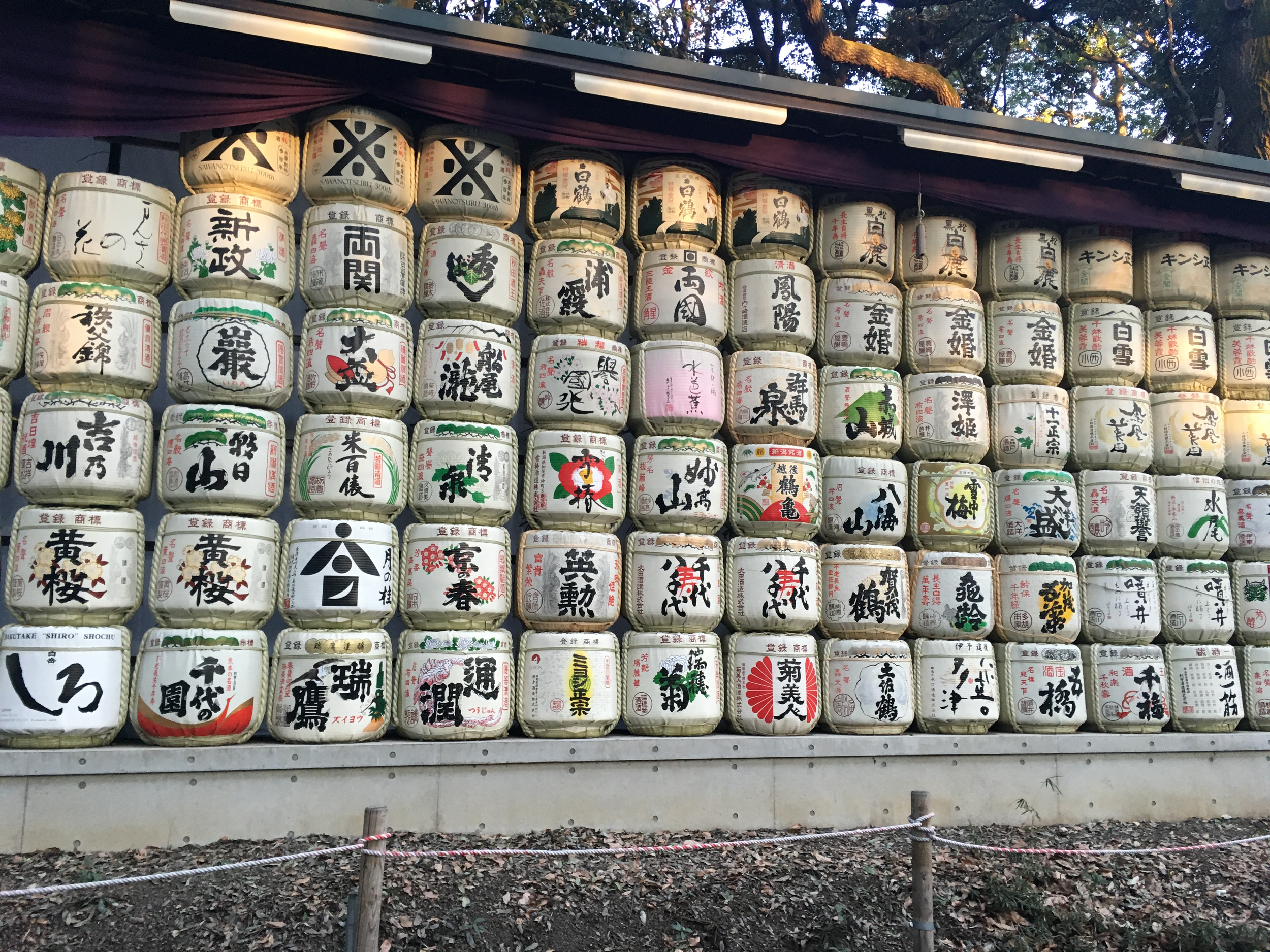
Figure 4: Sake Barrels used for Traditional Kagami Biraki Ceremonies
If you’re planning a traditional Japanese ceremony such as kagami biraki, check with the venue before bringing in your own sake barrel. Some venues may restrict outside alcohol, while others may offer rental sets or arrange them through partner vendors.
Treasure Sessions™
TokudAw’s Treasure Sessions™ combine Japanese cultural experiences with practical takeaways for corporate events. Rather than offering entertainment only for a photo opportunity, these sessions can incorporate team building, learning and meaningful connections to business themes. Examples may include activities such as ikebana, washi paper making and other traditional Japanese experiences adapted for corporate groups.
Event Venue Checklist for Japan
Booking, Space and Costs
☐ Confirm whether setup and breakdown times are included in the venue rental hours.
☐ Confirm the final venue access and vacate times.
☐ Confirm the deadline for the final guest count and the cancellation policy.
☐ Confirm whether the restaurant has a fixed time limit for private use.
☐ Confirm that the seating style is suitable for guests with mobility or accessibility needs.
☐ Confirm that the venue has enough space for the stage, screen, buffet area or other required event areas.
☐ Confirm what is included in the quotation and which items may be charged separately, such as AV equipment or external vendor fees.
☐ Visit the venue in person or arrange for a local representative to inspect it on your behalf.
Food and Drinks
☐ Confirm any dietary, religious or allergy-related requirements with the venue.
☐ Confirm whether outside food and drinks are allowed.
☐ Confirm whether English menus or translated menus are available.
MCs and Vendors
☐ Confirm whether you must use the venue’s affiliated vendors or can bring your own.
☐ Confirm what services are actually included if you use a bilingual MC.
Interpretation
☐ Confirm whether a separate professional interpreter is required.
☐ Confirm whether simultaneous or consecutive interpreting is needed.
☐ Confirm whether interpreter booths, headsets or other interpretation equipment are required and available.
☐ Share speech scripts, presentation slides and the event schedule with interpreters in advance.
Audiovisual
☐ Test presentations and video files using the venue’s actual audiovisual equipment.
☐ For hybrid events, confirm that a reliable internet connection or wired LAN is available.
☐ If using real-time translation, confirm that the venue can support the required screen, internet connection and equipment.
Plan Your Japan Event with Local Support
Planning an event from overseas can involve much more than simply finding a venue. From communicating with the venue and coordinating audiovisual requirements to arranging interpreters and local vendors, having someone on the ground can make the process much smoother.
TokudAw can support the local coordination, including venue communication, interpreter arrangements and vendor coordination, so you can focus on your guests and the purpose of your event.