How Physical Movement Creates Team Bonds: Treasuring Physical Activity and Team Culture
Source: Unsplash
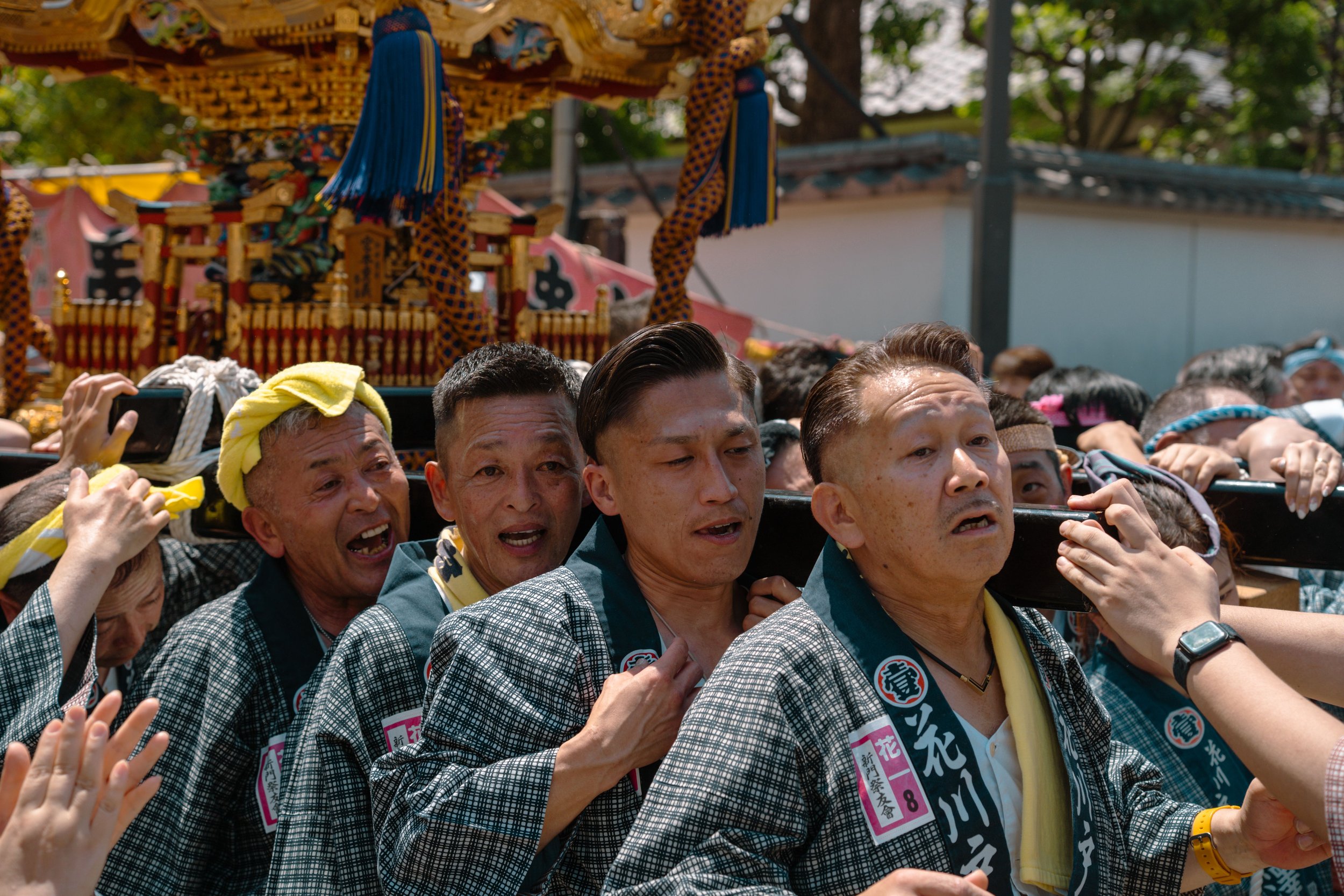
Physicality influences how people communicate, cooperate, and connect but movement does not look the same for everyone. Scientific studies such as the one led by Davis, Arran et al. (2015), shows that experiencing movement as a team enhances social bonds and higher cooperation, and helps strengthen attention, non-verbal communication, adaptability, and shared responsibility. Similar values that support greater cooperation in the workplace too.
From craft and architecture to movement, gastronomy, and community practices, TokudAw’s treasure sessionsTM reveal a different dimension of Japan’s cultural heartbeats. Taking the time to really discover Japan is a luxury that TokudAw helps protect and values through its selected Treasure sessions. These opportunities allow us to step beyond the standard workshops and to take part in Japan’s living traditions. Whether you are looking for an inspiring cultural discovery or an activity connected to your organization’s goals and needs, TokudAw ensures that your shared time becomes an experience with treasurable meaning.
TokudAw’s Treasure Sessions in Motion
Japan offers a rich range of cultural activities in which movement is central: sharing the vibrations of traditional Taiko drumming, joining the inclusive circle of Bon Odori, cooperating in team sports or daily rituals, and practicing the intentional movements of calligraphy. Participation of our team in one of TokudAw’s treasure sessions can involve moving, observing, listening, adapting gestures, learning sequence and control in meaningful team contribution. The aim is to treasure the connection, not the athletic performance. Each experience can be adapted to your team’s capacity and need for accessibility.
In other countries, physical activities are becoming a more popular tool to boost team bonding and workplace morale (e.g. londonbrightoncycle). TokudAw’sTreasure session around physical movement creates unique opportunities to discover Japanese culture while developing team well-being, synchrony, and shared efforts.
| Treasure Session | Team Value |
|---|---|
| Taiko Drumming | Synchrony and shared energy |
| Undōkai | Cooperation and mutual support |
| Bon Odori | Inclusive Vision Setting |
| Radio Taisō | Collective routine and well-being |
| Japanese Calligraphy | Focus and intentional Action |
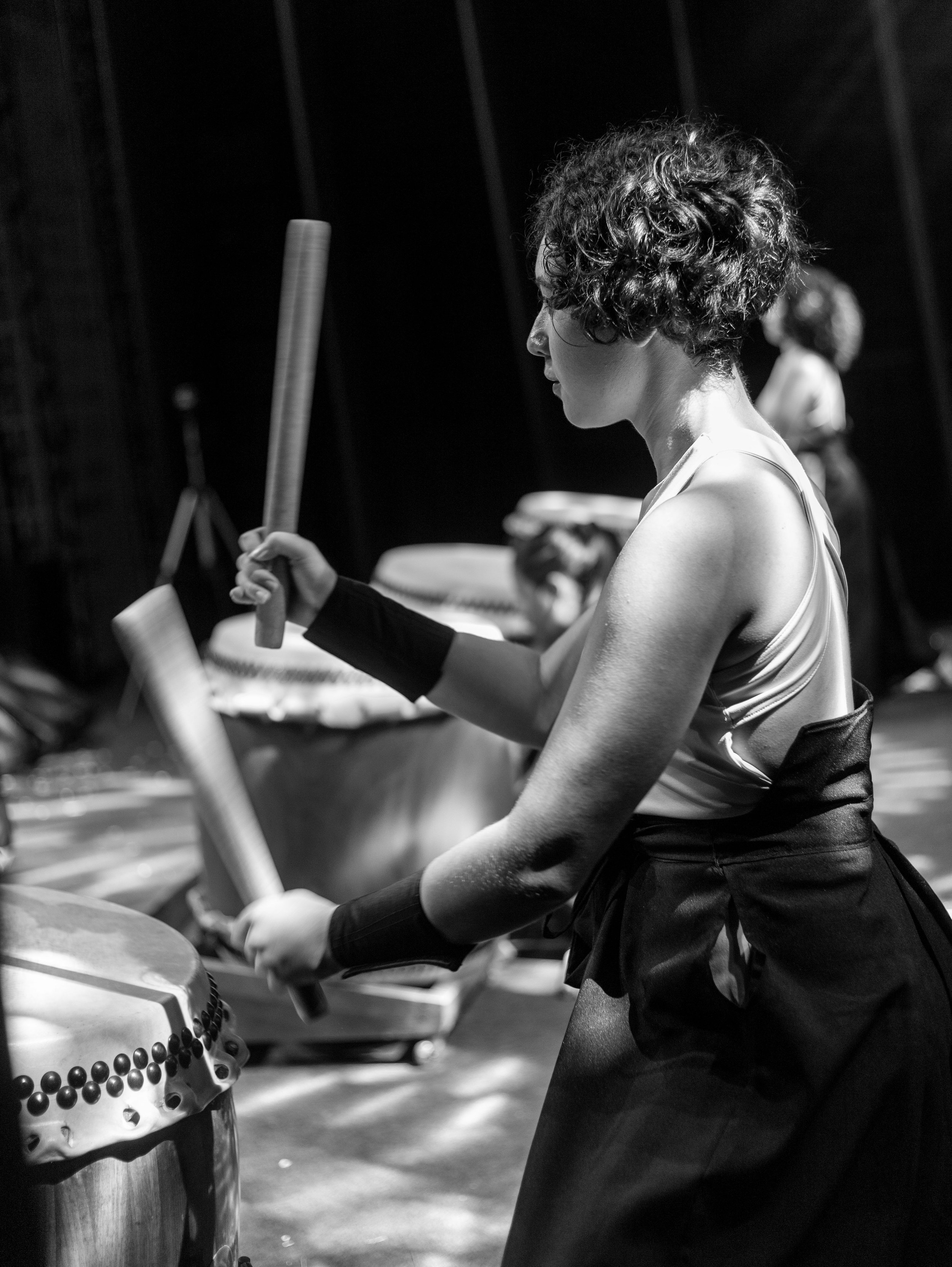
Taiko: Finding a common rhythm
For centuries, Taiko drums have been used in Japan for rituals, communication, and community gathering. The modern ensemble style is more modern and shows how older traditions are through contemporary format. Taiko Drumming is not only about playing music. It requires participants to challenge their body and mind to listen, concentrate, and respond to one another.
Source: Unsplash
TokudAw’s treasure session offers hands-on experience on traditional Japanese culture and on how individual effort can combine and create collective energy. Taiko drumming as a team facilitates better collaboration, develops non-verbal communication, and reinforces the use of posture and presence to engage with others.
Undōkai: games of cooperation
Undōkai is the conventional Japanese sports day and was developed in the late 19th century in Japanese schools. It combines a variety of physical challenges, team coordination efforts, and group performances. Beyond the practice of sports, Undōkai is an important moment that focuses on community building and bond strengthening. Participants must compete but most of all, they need to cooperate, encourage each other, and take different roles within the group throughout the day.
TokudAw’s Undōkai treasure session helps develop cooperation and coordination oriented shared goals. The session is not only about fun and team sports. It highlights the necessity for your team to recognise and cheer each other’s strengths, while experiencing being in different roles and contributing differently to the team. Emotional intelligence is stimulated as much as physical endurance.
Bon Odori: Moving towards a shared vision
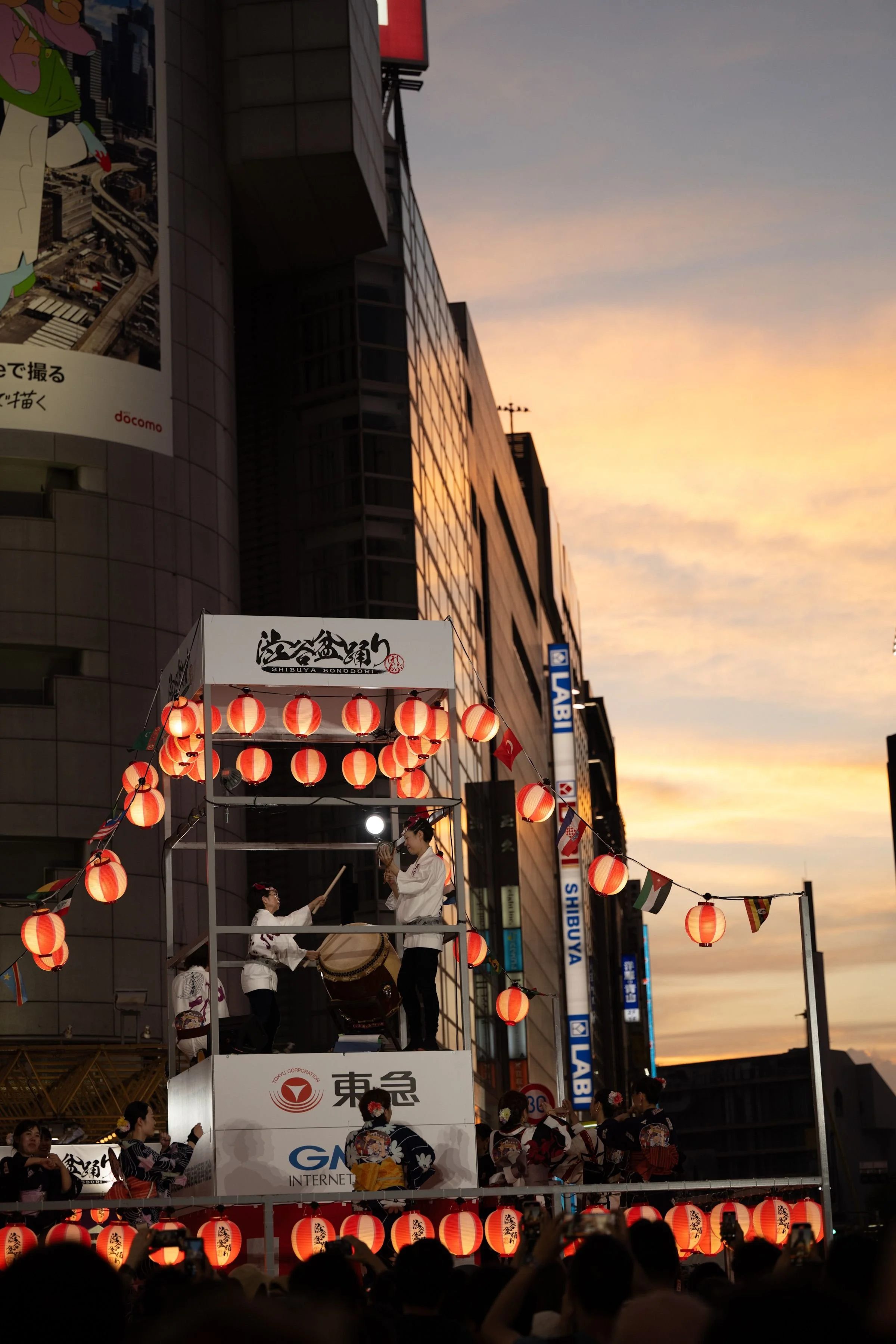
Traditionally, an “odori” is a form of communal dancing that expresses the community’s gratitude through harvest prayers and a sequence of specific movements. Over time and location, Odori takes many forms, the most common version being the Bon Odori, an inclusive format where everyone joins in a circle led by the leading center.
Source: Unsplash
TokudAw’s treasure session around Bon Odori, participants will learn about the history while developing their own sequence of movements that represent their organization values and set vision. Bon Odori gives everyone a way to explore more awareness regarding body language and alternative leadership, while navigating new ways to materialize ideas and organizational values into shared physical expression.
Radio Taisō: Healthy Routine
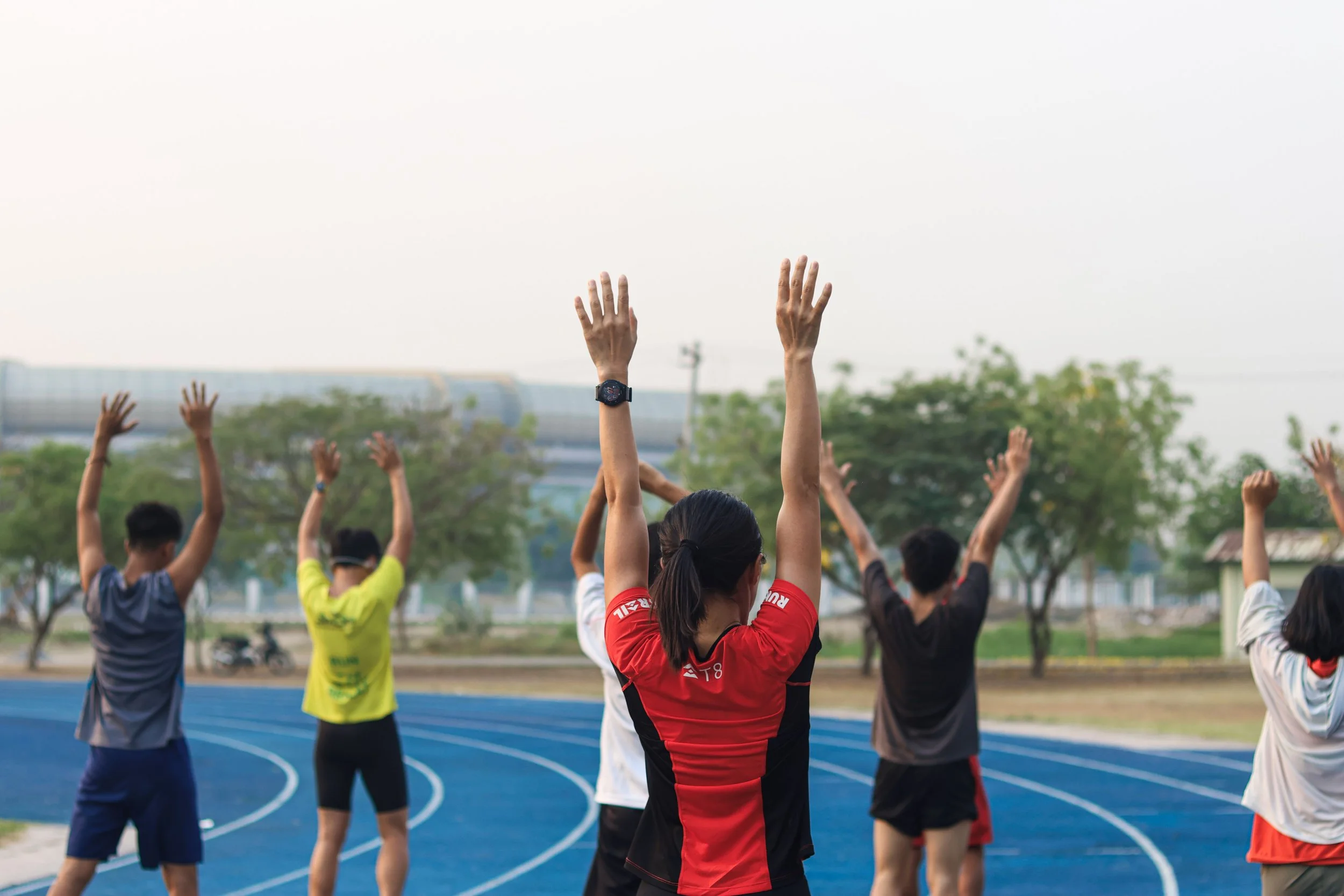
For decades, the Japanese radio broadcast has been part of the population’s morning routine. Radio Taisō is a short series of calisthenic movements that are practised collectively in schools, workplaces, parks, and local communities. Regardless of age, the popular program allows people to participate together in an easy and accessible fitness routine.
Source: Unsplash
TokudAw not only proposes to take part in real-time to the Radio Taisō routine, but to learn the science that highlight how daily movement-based ritual practised as a group can support well-being, stress management, and connection. The activity equips your organization with a stronger sense of community, a better understanding on how consistency and healthy habits can become a sustainable part of the working day, and tools to develop one routine to bring back with you.
Calligraphy: The art of intentional action
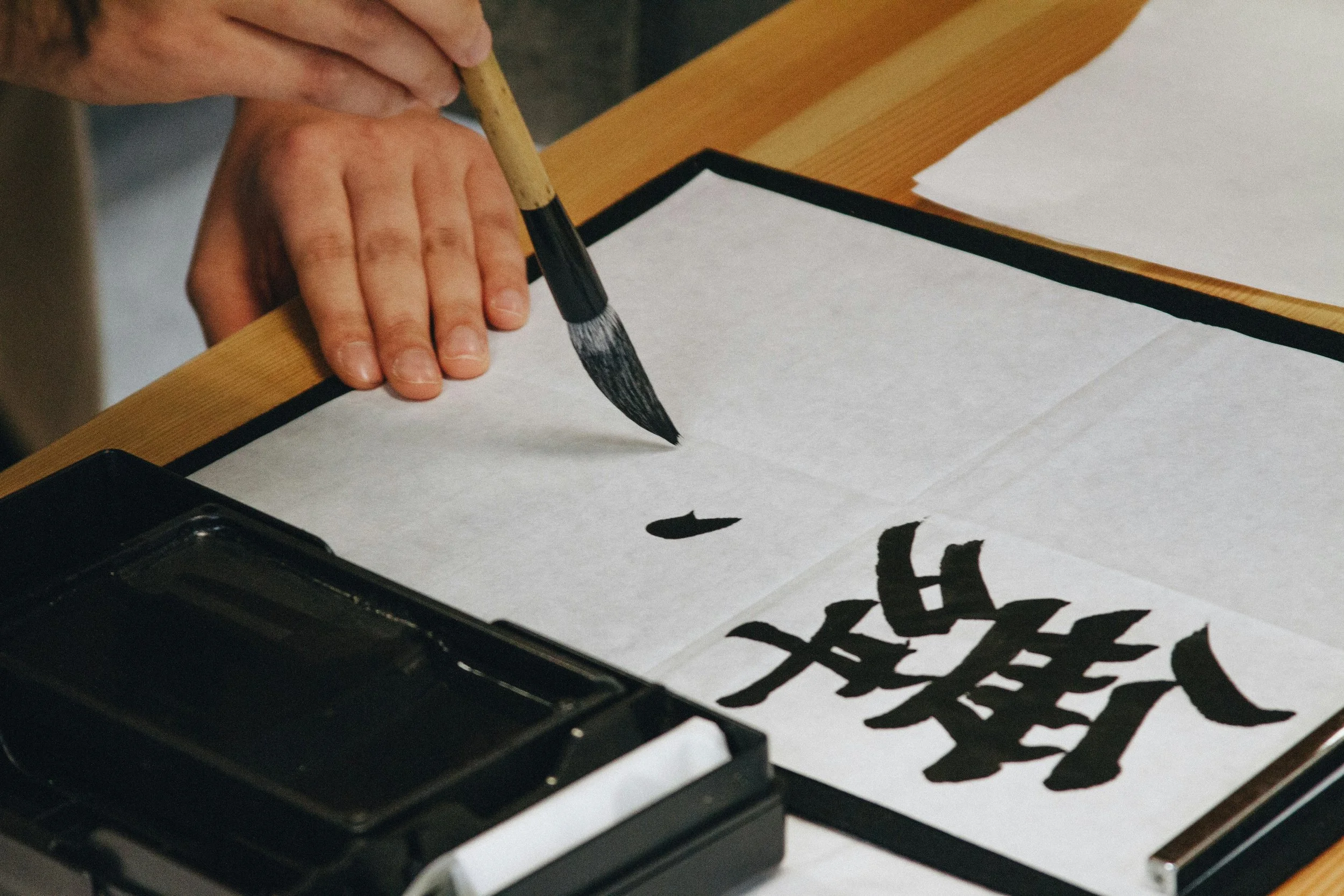
Originally practiced by the aristocracy, calligraphy became an art form that combines philosophy, precision, and body control all over the country. Japanese calligraphy offers a slower and more reflective form of a shared practice although very energetic and choreographed national competitions also take place every year. Calligraphy requires to develop focus and concentration while encouraging patience and intentional action. Despite its traditional dimension, it also creates a space for multiple styles, interpretations to co-exist, and help participants to slow down as they reflect together.
Source: Unsplash
During the Treasure Session, participants develop the capacity to understand wabi-sabi, the beauty of imperfection while an art form in which practitioners have only one chance to “get it right”. TokudAw offers the opportunity to create a kanji composition that represents their organization's values, and the chance to witness a master artist create a large-scale piece. To finish, participants participate collaboratively to create their own masterpiece. Calligraphy allows to take a moment to work with posture, breathing, and self-control and turn it into intentional action and shared creation.
FAQ
How are these activities different from standard team building activities?
TokudAw’s Treasure Sessions that focuses on physical movement represents a double opportunity to develop cultural exploration and capacity building around synchrony, communication, well-being, and cooperation.
Do participants need previous experience?
Activities are adapted for different levels and physical abilities. Even with previous experience with physical activities, participants may learn or discover new ways to observe, move, and contribute to their team.
What support can TokudAw provide?
TokudAw coordinates practitioners, interpretation, scheduling, and accessibility considerations that meet your organization requirements. Activities can be adapted to your existing itinerary or developed into longer sessions, depending on your team’s objective and need for guidance.
